
Home
Where history, folklore and the supernatural meet
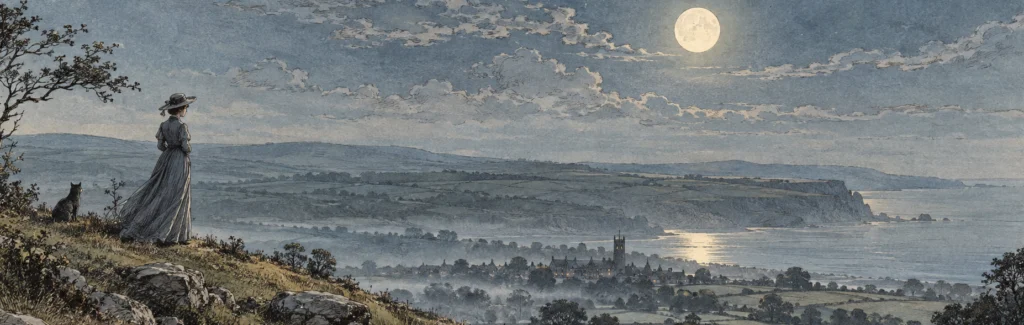
Richard Odell is a British author writing historical supernatural fiction shaped by documented folklore, historical events, unusual experiences and a strong sense of place.
RichardOdell.com brings together the Easterwich novels and Mabel Shirley mysteries with The Things We Left Behind, a collection of essays exploring folklore, psychogeography, intuition, atmosphere and the old knowledge that still survives.
Featured Fiction: Finding Mabel
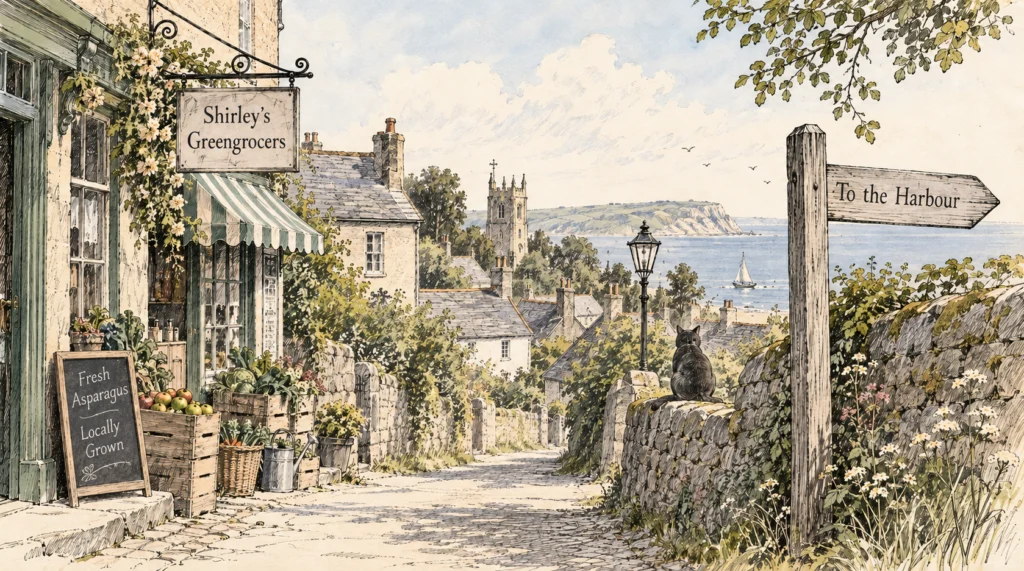
After twenty-eight years on the force, one mistake could cost Sergeant Joyce Turner her entire career. Finding Mabel is her only option.
Books & Stories
Historical supernatural mysteries grounded in documented research, threaded with the supernatural.
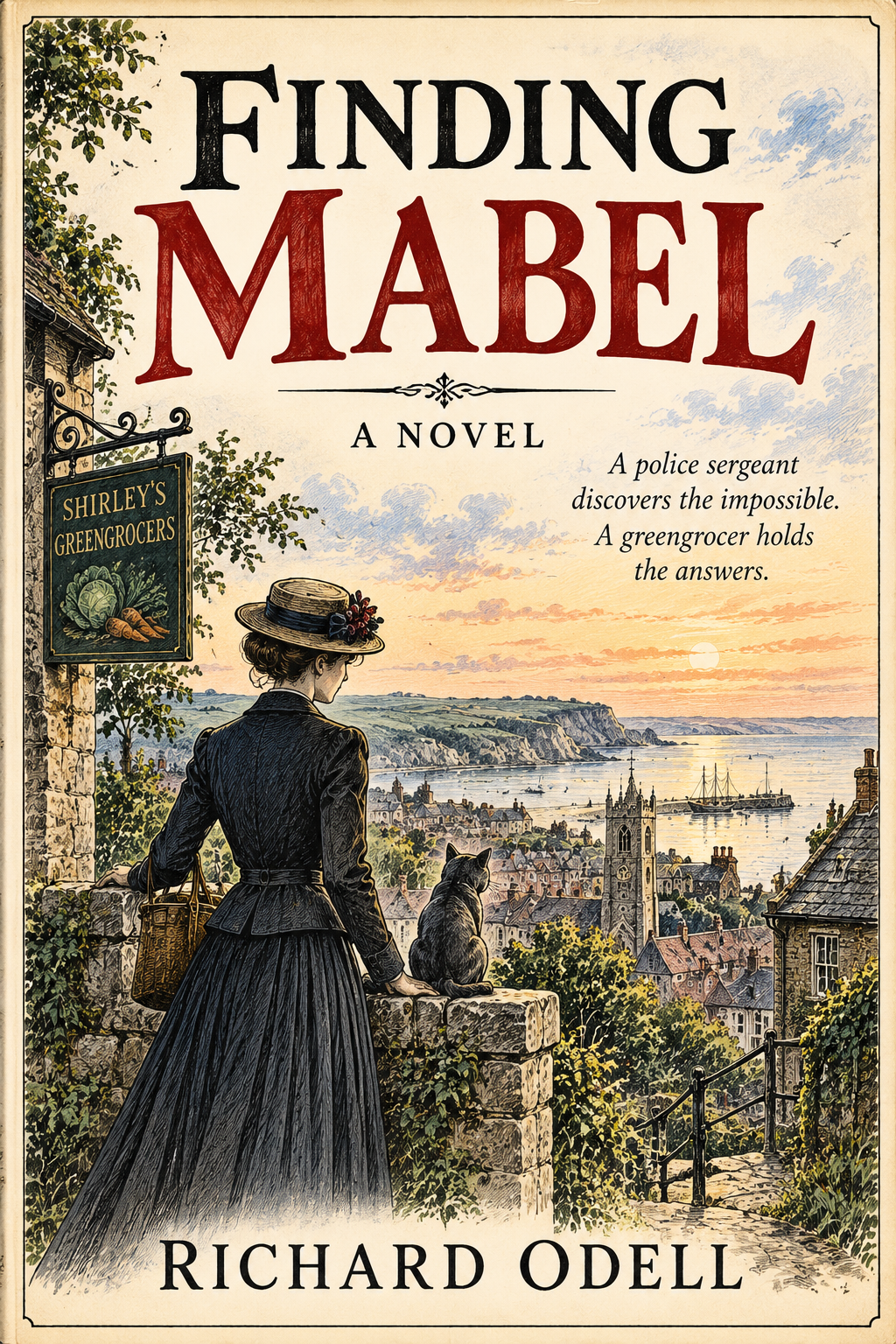
Finding Mabel
Book Two of the Easterwich Series
In 1967, a serving police sergeant begins asking why an English coastal town was quietly removed from the map. Her questions awaken a long dormant office within Whitehall, still loyal to the secret it was created to keep.
Learn More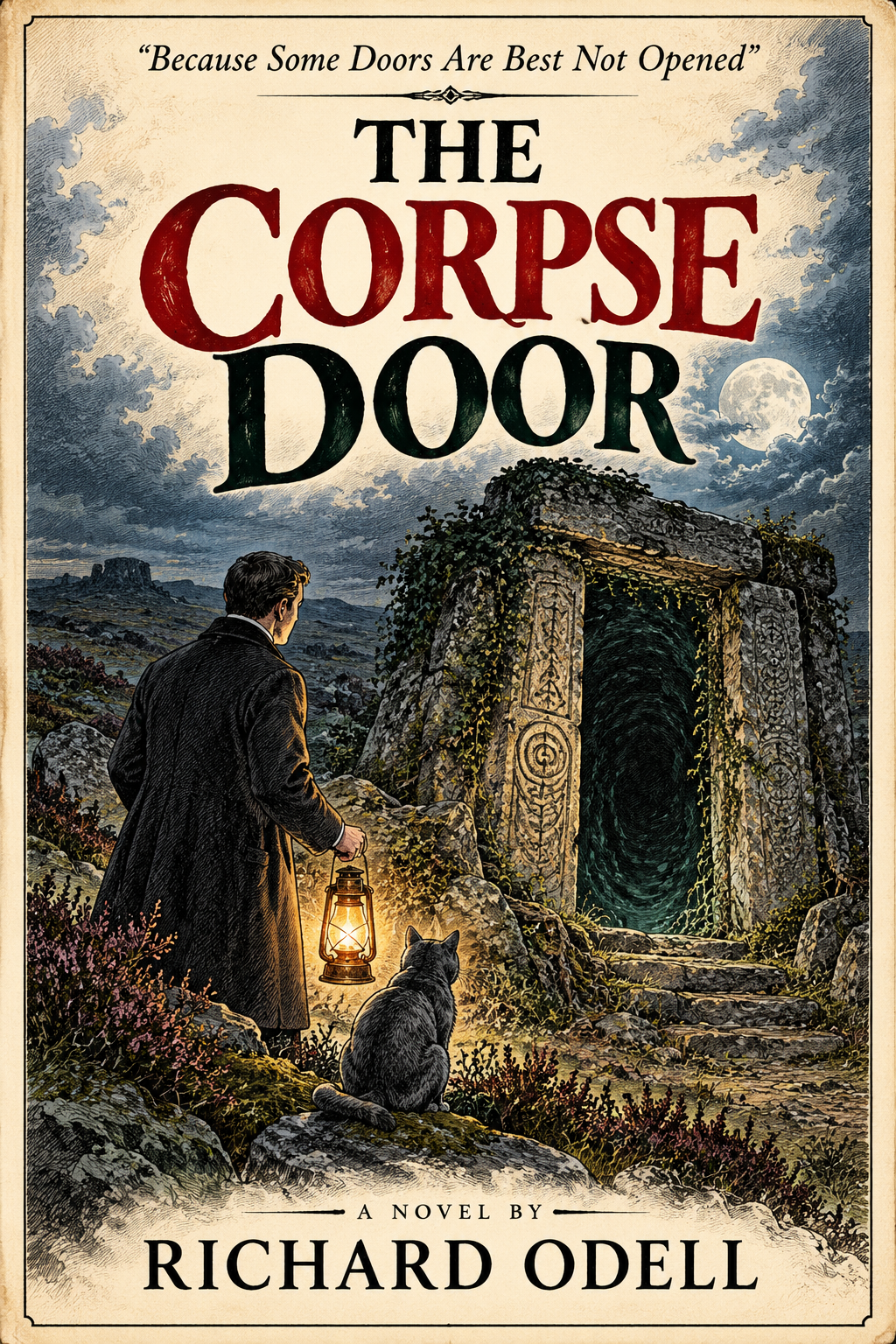
The Corpse Door
Book One of the Easterwich Series
In 1897, a farmhouse is torn apart in a single night. What survives the wreckage should not exist in the mortal realm.
Learn MoreLatest Stories and Essays
-

Keep in Touch Through Substack
If you’d like to know when I publish something new, you can subscribe to my free email updates through Substack. When I publish a new essay, article or short story, or have news about a forthcoming book, I’ll be able to send the update directly to your email inbox. You don’t need to keep checking the website to see what’s new. The emails will… -
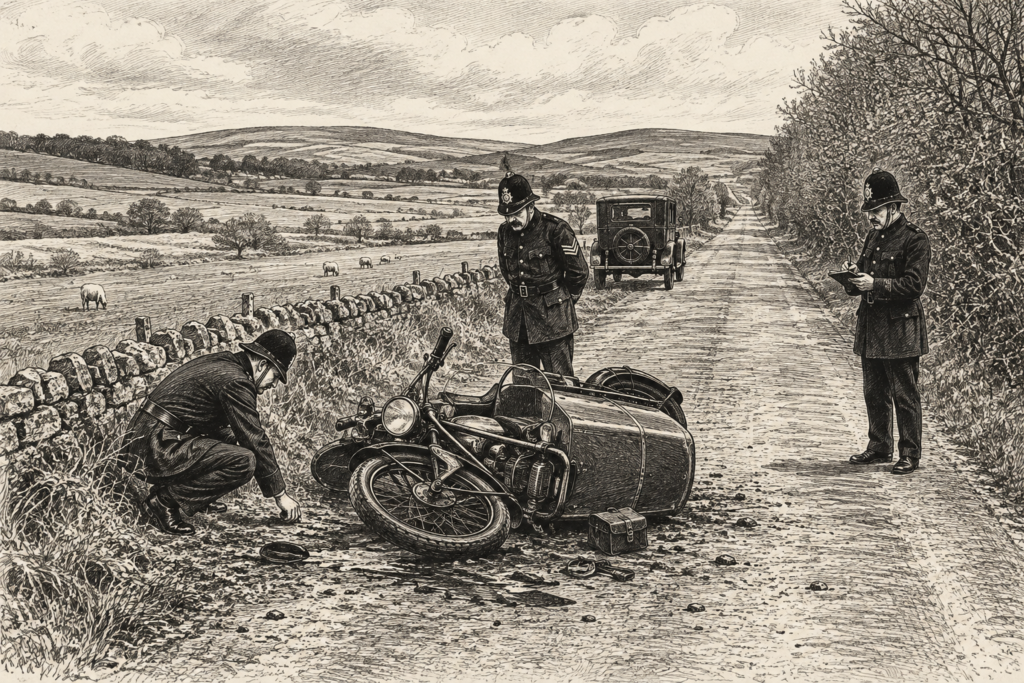
The Hairy Hands of Dartmoor | A Mabel Shirley Mystery
A short story inspired by the 1921 Hairy Hands legend of Dartmoor Strange things happen on Dartmoor. They always have. It’s not Dartmoor’s fault, there are just certain places where the dark can get a little too close. As to its legends, they come from a time when nobody was really certain where the natural world ended and the supernatural began. However, one legend… -
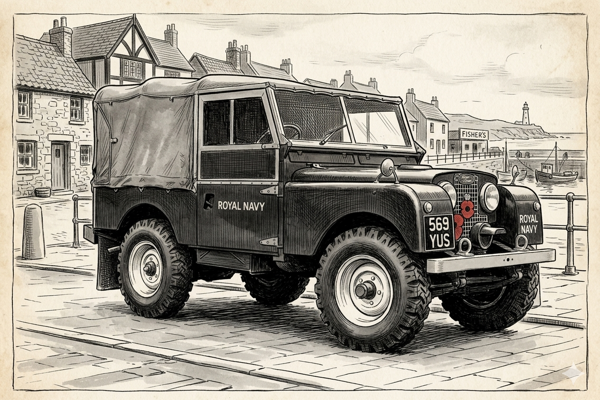
The Admiralty Constabulary
Britain’s Forgotten Naval Police Force (1949–1971) If you had walked past the high stone walls of Portsmouth or Devonport Dockyards in the mid-20th century, you would have met a certain type of officer. They weren’t your typical “bobbies” on a city beat; they were the men of the Admiralty Constabulary, a force that carried the weight of Britain’s maritime security on its shoulders for… -
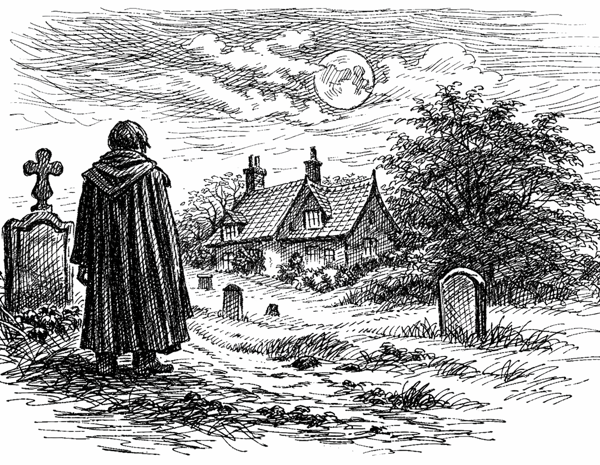
What Makes a Story Supernatural?
After attempting to define the supernatural, another question naturally follows: what actually makes a story supernatural? At first the answer seems obvious. A ghost appears, a mysterious object possesses strange powers, or an unseen force interferes with the world of the living. These elements are commonly recognised as supernatural because they appear to operate beyond the known laws of nature. In simple terms, supernatural…
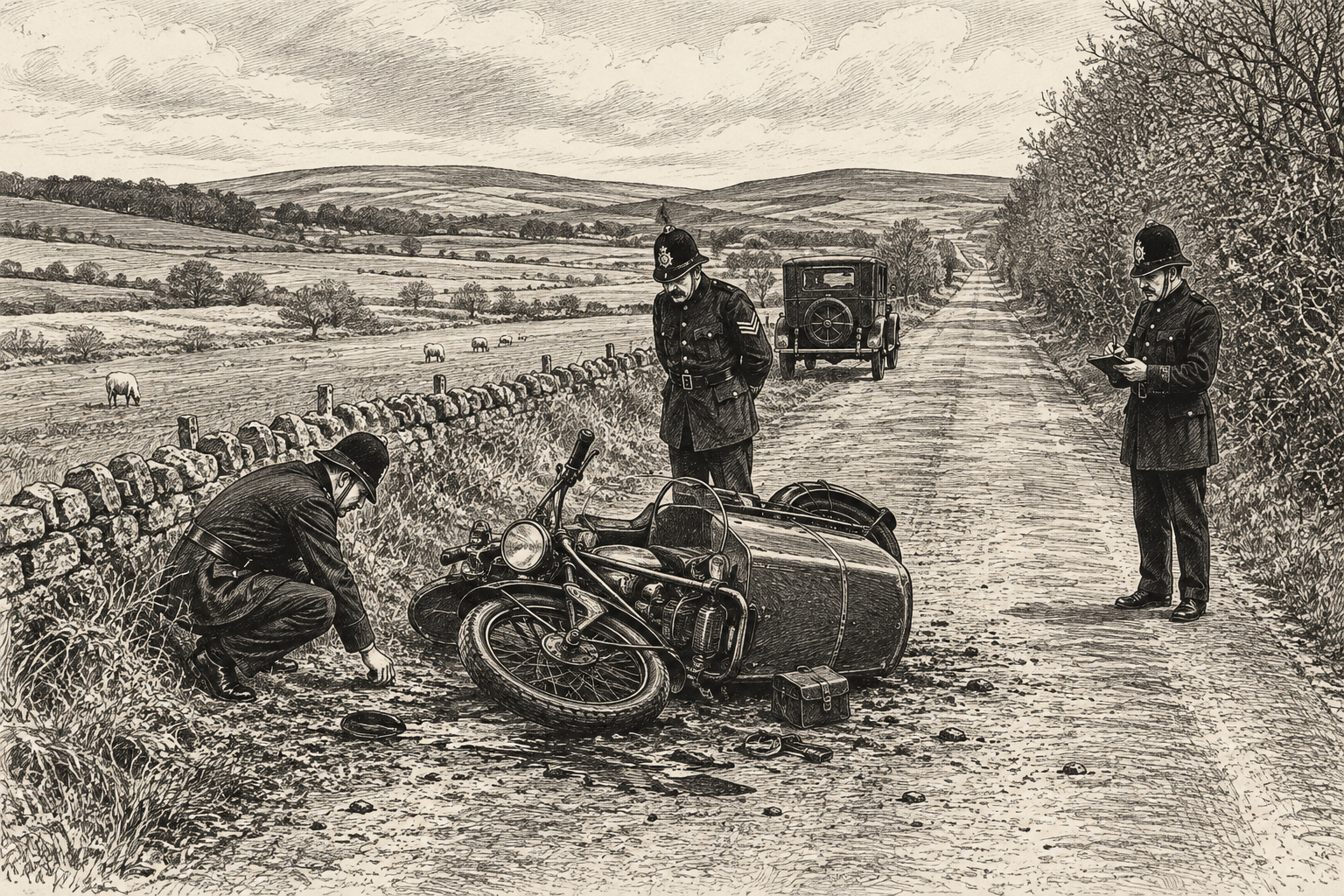
Historical Research & Context
Every story begins with careful research. As a lifelong student of history, I examine the events, policing reforms, intelligence operations, folklore, and occult traditions that shaped each era, drawing on primary sources and clearly presented citations.
Victorian Policing & Intelligence
Research into Scotland Yard reforms, naval intelligence operations, and the emergence of early detective systems that shaped the modern state.
Edwardian Occult & Secret Societies
A period rich in esoteric movements, spiritualist claims, and discreet societies that shaped thought, power, and belief in the Edwardian era. Each topic is grounded in documented research to capture the atmosphere and tensions of this remarkable time.
Mid-20th Century Secrecy
An age of world wars, global depression, and national reconstruction. Research here explores the occult, folklore, and countercultural currents of the Age of Aquarius, alongside the cults that attracted a generation shaped by the long shadow of war and the rise of nuclear power.
Method & Citation System
Articles use numbered in-text citations linked to a structured Works Cited section with return anchors, allowing readers to verify sources while staying within the flow of the piece.
Source Hierarchy
Primary documents, archival records, academic publications, and institutional material form the foundation. Secondary sources provide context, interpretation, and connective tissue, but do not replace first-order evidence.
View the Method PageReadable, Not Academic
Narrative flow comes first. Depth follows through evidence rather than jargon. Structural formatting is used only when clarity requires it.
How Research Becomes Story